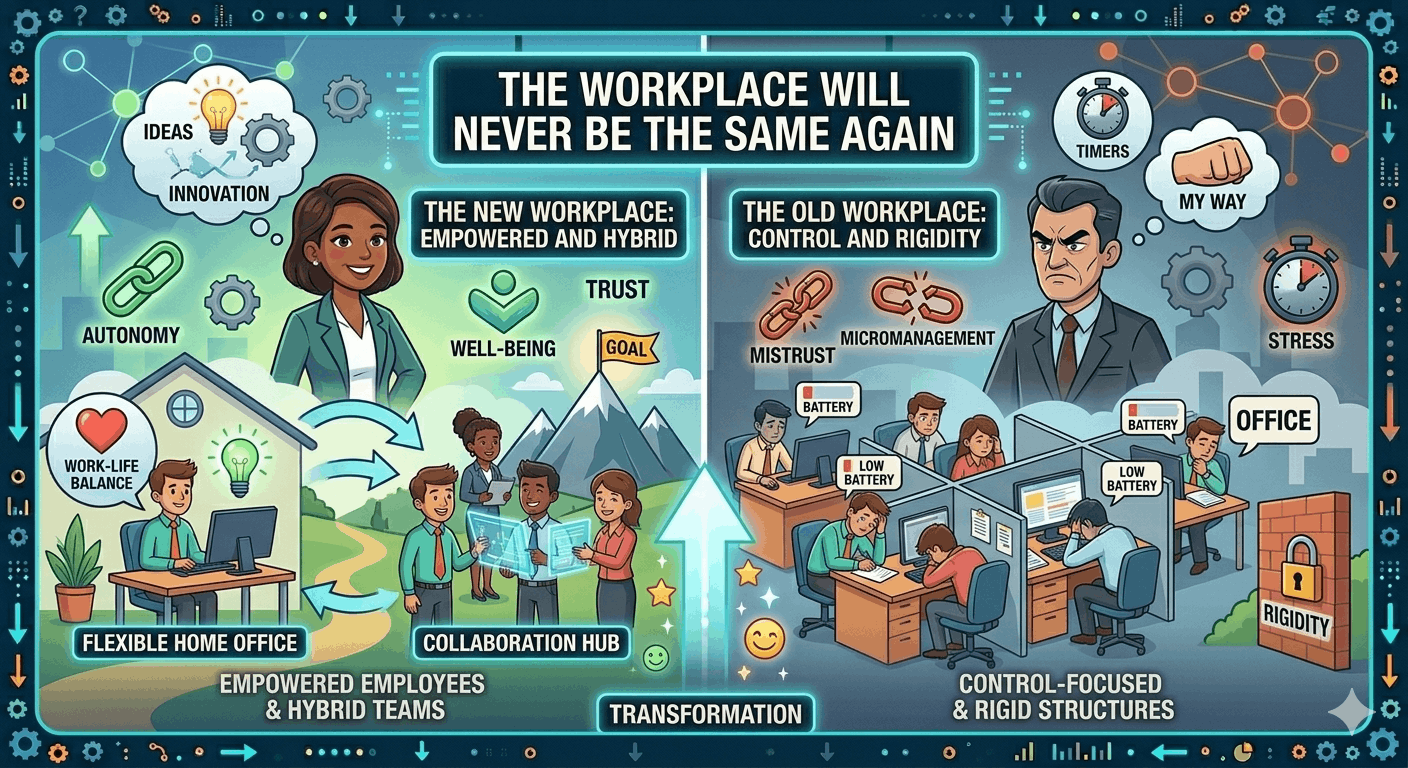
The Workplace Will Never Be the Same Again
The workplace has undergone a dramatic transformation in recent years. From shifting employee expectations to rapid technological advancements, organizations are redefining how work gets done. The traditional office model is no longer the default, and leaders must adapt to stay relevant.
This evolution is not temporary. It represents a fundamental shift in how employees view work, productivity, and purpose. Companies that fail to recognize these changes risk falling behind in both talent acquisition and retention.
The Rise of a New Work Culture
Work is no longer just a place people go—it is an experience shaped by flexibility, autonomy, and meaning. Employees today prioritize balance and purpose over rigid structures.
Changing Employee Expectations
Modern employees expect more than just a paycheck. They seek fulfillment, growth, and respect in their roles.
- Flexible work arrangements
- Opportunities for career development
- Inclusive and supportive environments
- Clear communication and transparency
The Decline of Traditional Hierarchies
Rigid organizational structures are being replaced by more collaborative and agile models. Employees want their voices heard and their contributions valued.
Technology Is Redefining Work
Digital transformation has accelerated workplace evolution. Technology is not just a tool; it is a driving force behind how teams collaborate and perform.
Remote and Hybrid Work Models
Remote work has become a standard option rather than an exception. Hybrid models allow employees to balance in-office collaboration with remote flexibility.
- Increased productivity for many roles
- Access to global talent pools
- Reduced operational costs
- Improved work-life balance
- Greater employee satisfaction
Automation and AI Integration
Automation is transforming repetitive tasks, allowing employees to focus on more strategic and creative work. However, it also requires continuous learning and adaptation.
Key Technological Trends
- Artificial intelligence in decision-making
- Cloud-based collaboration tools
- Data-driven performance tracking
- Virtual communication platforms
The Human Side of Workplace Transformation
While technology plays a major role, the human element remains critical. Organizations must prioritize employee well-being and engagement.
Focus on Mental Health and Well-being
Employees are increasingly aware of the importance of mental health. Companies that support well-being see higher engagement and loyalty.
Building a Culture of Trust
Trust is the foundation of successful remote and hybrid teams. Leaders must shift from monitoring activity to measuring outcomes.
- Encourage autonomy
- Promote transparency
- Support open communication
- Recognize achievements
Leadership in the New Workplace
Leadership must evolve to meet the demands of this new environment. Traditional management styles are no longer effective in a dynamic workplace.
From Control to Empowerment
Modern leaders focus on empowering employees rather than controlling them. This approach fosters innovation and accountability.
Essential Skills for Future Leaders
Leaders must develop new competencies to succeed in the evolving workplace.
- Emotional intelligence
- Adaptability and resilience
- Effective communication
- Strategic thinking
- Technological awareness
The Importance of Continuous Learning
The pace of change requires leaders and employees alike to commit to lifelong learning. Upskilling is no longer optional—it is essential.
Challenges of the Modern Workplace
Despite its advantages, the new workplace presents unique challenges that organizations must address proactively.
Maintaining Team Connection
Remote work can lead to feelings of isolation. Leaders must create opportunities for meaningful interaction and collaboration.
Managing Change Effectively
Frequent changes can create uncertainty. Clear communication and strong leadership are essential to navigate transitions successfully.
The future of work is not about where you work, but how you work and how you are treated.
The Future of Work: What Lies Ahead
The workplace will continue to evolve as technology advances and employee expectations shift. Organizations must remain agile and forward-thinking.
Emerging Trends to Watch
- Greater emphasis on employee experience
- Increased use of AI and automation
- Expansion of remote-first companies
- Focus on diversity and inclusion
Preparing for Long-Term Success
Companies that embrace change and invest in their people will thrive. Adaptability, innovation, and empathy will define successful organizations.
The workplace may never return to what it once was, but it offers an opportunity to build something better.
Conclusion: Embracing the New Reality
The workplace transformation is not a trend—it is a new reality. Organizations must adapt to changing expectations, leverage technology, and prioritize human connection.
Those who embrace this shift will create more flexible, inclusive, and productive environments. The future of work is here, and it is reshaping how we think about leadership, collaboration, and success.