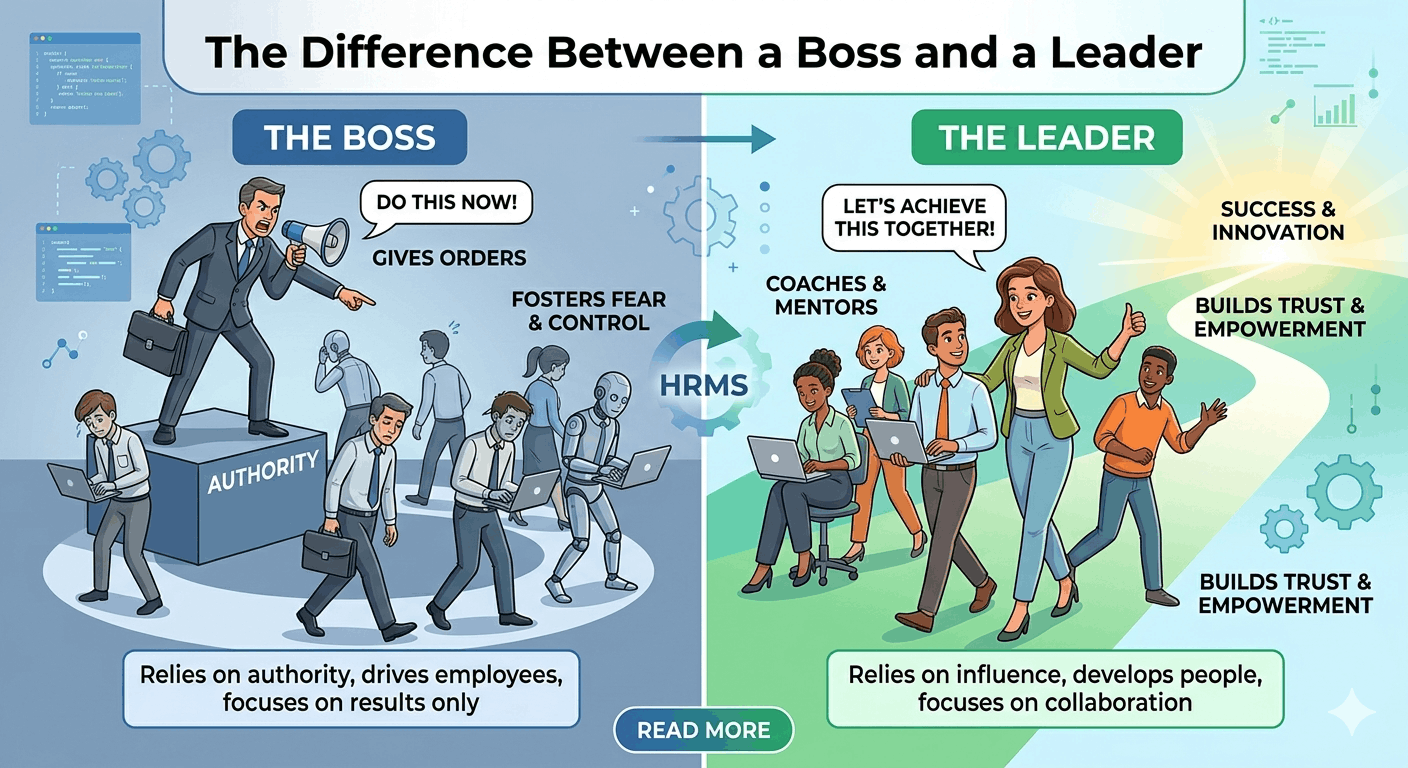
The Difference Between a Boss and a Leader
In today's dynamic workplace, the terms boss and leader are often used interchangeably. However, the reality is that they represent two fundamentally different approaches to managing people and driving success. While a boss focuses on authority and control, a leader emphasizes inspiration, collaboration, and growth.
Understanding this difference is crucial for organizations aiming to build high-performing teams and for individuals aspiring to grow into impactful leadership roles. This article explores the core distinctions, real-world implications, and actionable insights to help you transition from being just a boss to becoming a true leader.
What Defines a Boss?
A boss is typically someone who holds a position of authority and exercises control over a team. Their power often comes from their title rather than their influence.
Key Traits of a Boss
- Commands rather than collaborates
- Focuses on short-term results
- Relies heavily on hierarchy
- Often micromanages employees
- Seeks compliance over creativity
A boss ensures that tasks are completed, but often at the cost of employee engagement and morale. While this approach might deliver immediate results, it can lead to burnout, lack of innovation, and high turnover in the long run.
What Defines a Leader?
A leader, on the other hand, goes beyond authority. They inspire, guide, and empower their team members to achieve both individual and organizational goals.
Key Traits of a Leader
- Encourages collaboration and teamwork
- Focuses on long-term vision
- Builds trust and respect
- Empowers employees to take ownership
- Promotes innovation and growth
A leader doesn't just manage tasks—they develop people. By fostering a culture of trust and respect, leaders create environments where employees feel valued and motivated to perform at their best.
Key Insight: People may work for a boss because they have to, but they follow a leader because they want to.
Boss vs Leader: The Core Differences
To better understand the contrast, let's break down the key differences between a boss and a leader.
1. Approach to Authority
A boss uses authority to control, while a leader uses influence to inspire. Authority demands obedience, but influence earns loyalty.
2. Communication Style
Bosses often give orders, whereas leaders engage in open communication and actively listen to their team members.
3. Handling Mistakes
A boss may blame individuals for failures, while a leader views mistakes as opportunities for learning and improvement.
4. Focus on Growth
Bosses focus on productivity, while leaders prioritize people development alongside performance.
Why Leadership Matters More Than Ever
In modern organizations, leadership is no longer optional—it's essential. The shift from traditional management to leadership-driven cultures has been fueled by changing workforce expectations and the need for innovation.
Impact of Leadership on Teams
- Increased employee engagement
- Higher productivity levels
- Improved workplace culture
- Lower employee turnover
- Greater innovation and creativity
Employees today seek purpose, recognition, and growth opportunities. Leaders who can provide these elements create a strong emotional connection with their teams, resulting in long-term success.
How to Transition from Boss to Leader
Becoming a leader is not about changing your title—it's about transforming your mindset and behavior. Here are actionable steps to help you make that shift.
1. Build Genuine Relationships
Take time to understand your team members' strengths, goals, and challenges. Show empathy and create a supportive environment.
2. Communicate Transparently
Open and honest communication builds trust. Encourage feedback and create a safe space for dialogue.
3. Empower Your Team
Delegate responsibilities and trust your team to make decisions. Empowerment leads to ownership and accountability.
4. Lead by Example
Demonstrate the values and work ethic you expect from others. Your actions set the tone for the entire team.
5. Invest in Development
Provide opportunities for learning and growth. A leader's success is measured by the success of their team.
The Long-Term Benefits of True Leadership
Organizations led by strong leaders consistently outperform those driven by traditional boss-centric models. Leadership creates a culture of trust, innovation, and resilience.
Key Benefits Include:
- Stronger team loyalty and retention
- Better decision-making processes
- Enhanced organizational reputation
- Higher adaptability to change
When employees feel respected and valued, they are more likely to contribute their best efforts. This not only drives business success but also creates a positive and fulfilling work environment.
Conclusion
The difference between a boss and a leader is not just a matter of style—it's a matter of impact. While bosses manage tasks, leaders inspire people. In a world where talent and innovation are the driving forces of success, leadership is the key to unlocking true potential.
By focusing on trust, communication, and empowerment, anyone can evolve from being a boss to becoming a leader. The journey may require effort and self-reflection, but the rewards—both personal and professional—are well worth it.
Remember: Great leaders don't create followers—they create more leaders.