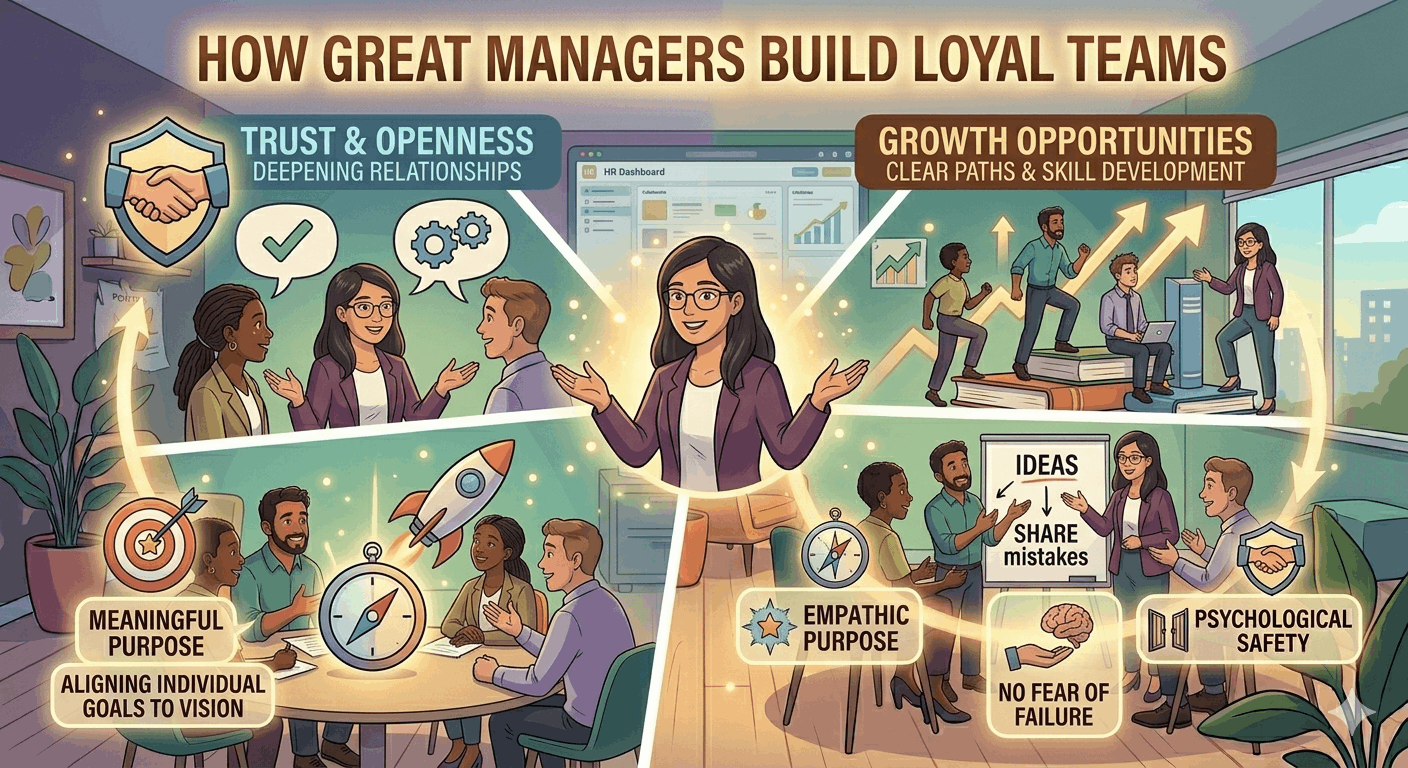
How Great Managers Build Loyal Teams
Building a loyal team is not about offering the highest salaries or the most attractive perks. It is about creating an environment where employees feel valued, respected, and motivated to contribute their best. Great managers understand that loyalty is earned through consistent actions, trust, and meaningful relationships.
In today's competitive workplace, employee loyalty is a key driver of long-term success. Managers who prioritize connection, communication, and growth can transform ordinary teams into committed, high-performing units.
The Foundation of Team Loyalty
Loyalty begins with trust. Employees need to believe that their manager has their best interests in mind. This trust is built over time through transparency, fairness, and reliability. When employees feel secure, they are more likely to stay committed to their roles and the organization.
Another critical factor is respect. Treating employees as individuals rather than just resources fosters a deeper connection and strengthens team dynamics.
Core Elements of Loyalty
- Trust: Consistent and honest leadership builds confidence.
- Respect: Valuing employee contributions enhances morale.
- Recognition: Acknowledging achievements boosts motivation.
- Support: Providing guidance encourages growth.
- Communication: Open dialogue fosters transparency.
Effective Communication as a Loyalty Driver
Communication is the backbone of any strong team. Managers who communicate clearly and regularly create an environment where employees feel informed and included. This reduces uncertainty and builds trust.
Active listening is equally important. When employees feel heard, they are more likely to engage and contribute meaningfully.
Strategies for Better Communication
- Hold regular one-on-one meetings with team members.
- Encourage open discussions and feedback.
- Be transparent about goals and expectations.
- Address concerns promptly and respectfully.
- Adapt communication styles to individual needs.
Loyal teams are built when employees feel heard, respected, and empowered to grow.
Empowering Employees for Long-Term Commitment
Empowerment is a powerful tool for building loyalty. When employees are trusted with responsibility and decision-making, they develop a sense of ownership. This ownership translates into higher engagement and commitment.
Managers should focus on creating opportunities for employees to grow and excel. Providing the right resources and support ensures that team members can perform at their best.
Ways to Empower Your Team
Encouraging autonomy allows employees to take initiative and innovate. Providing training and development opportunities helps them enhance their skills. Recognizing achievements reinforces positive behavior and motivates continued effort.
Building Confidence Through Support
Supportive managers act as mentors rather than just supervisors. They guide employees through challenges and celebrate their successes. This approach builds confidence and strengthens loyalty.
Creating a Positive Work Culture
A positive work culture is essential for team loyalty. Employees are more likely to stay in an environment where they feel appreciated and connected. Managers play a crucial role in shaping this culture through their actions and attitudes.
Promoting collaboration and inclusivity helps create a sense of belonging. When employees feel part of a community, their commitment to the team increases.
Key Aspects of a Strong Culture
- Encouraging teamwork and collaboration.
- Recognizing and celebrating achievements.
- Promoting work-life balance.
- Fostering inclusivity and diversity.
- Maintaining a positive and supportive atmosphere.
The Role of Recognition and Appreciation
Recognition is one of the most effective ways to build loyalty. Employees who feel appreciated are more likely to stay engaged and committed. Simple gestures such as acknowledging hard work or celebrating milestones can make a significant impact.
Managers should ensure that recognition is genuine and consistent. This reinforces a culture of appreciation and motivates employees to perform at their best.
Effective Recognition Practices
Personalized recognition shows employees that their contributions are truly valued. Public acknowledgment can boost morale and inspire others. Providing constructive feedback alongside praise helps employees grow while feeling supported.
Overcoming Challenges in Building Loyalty
Building loyalty is not without its challenges. Managers may face issues such as disengagement, communication gaps, or high turnover. Addressing these challenges requires a proactive and empathetic approach.
Understanding employee needs and adapting strategies accordingly can help overcome these obstacles. Continuous improvement is key to maintaining strong team relationships.
Common Challenges and Solutions
Identifying the root causes of disengagement allows managers to implement effective solutions. Encouraging feedback helps uncover hidden issues. Providing clear direction and support ensures that employees remain focused and motivated.
Conclusion
Great managers build loyal teams by focusing on trust, communication, empowerment, and recognition. These elements create a strong foundation for long-term success and employee satisfaction.
By prioritizing relationships and fostering a positive work environment, managers can inspire loyalty and commitment. Ultimately, loyal teams are not just productive—they are resilient, innovative, and driven to achieve shared goals.